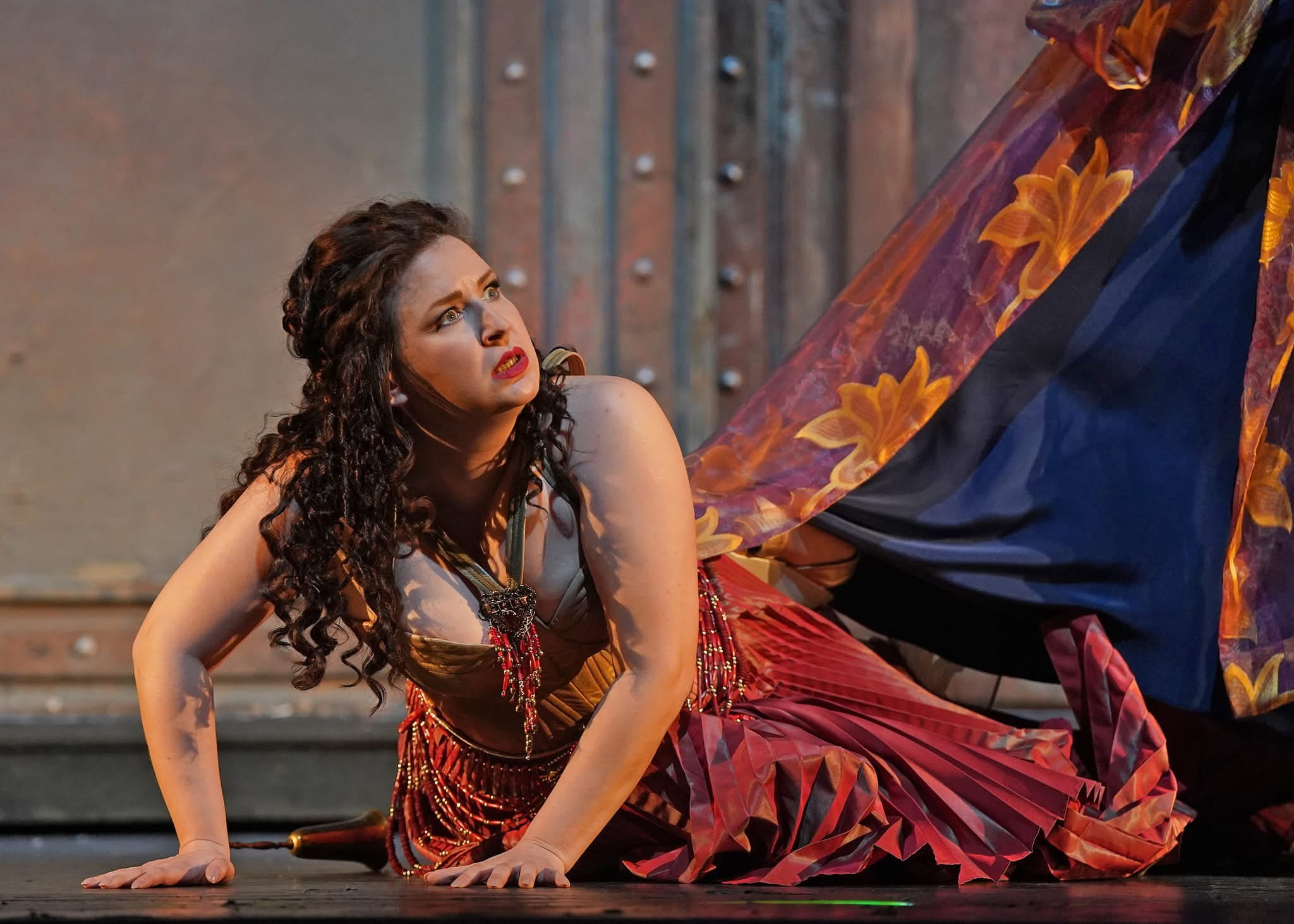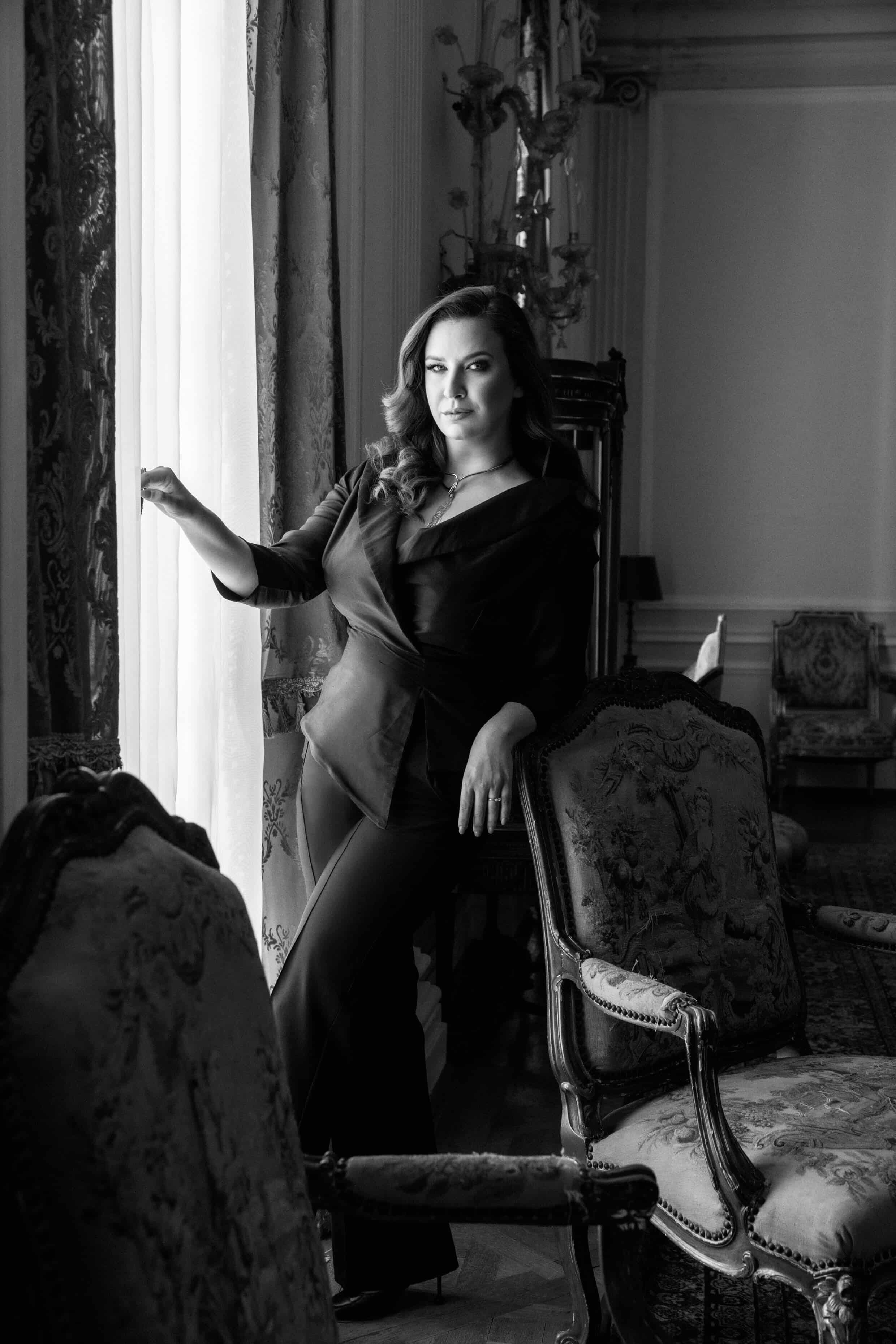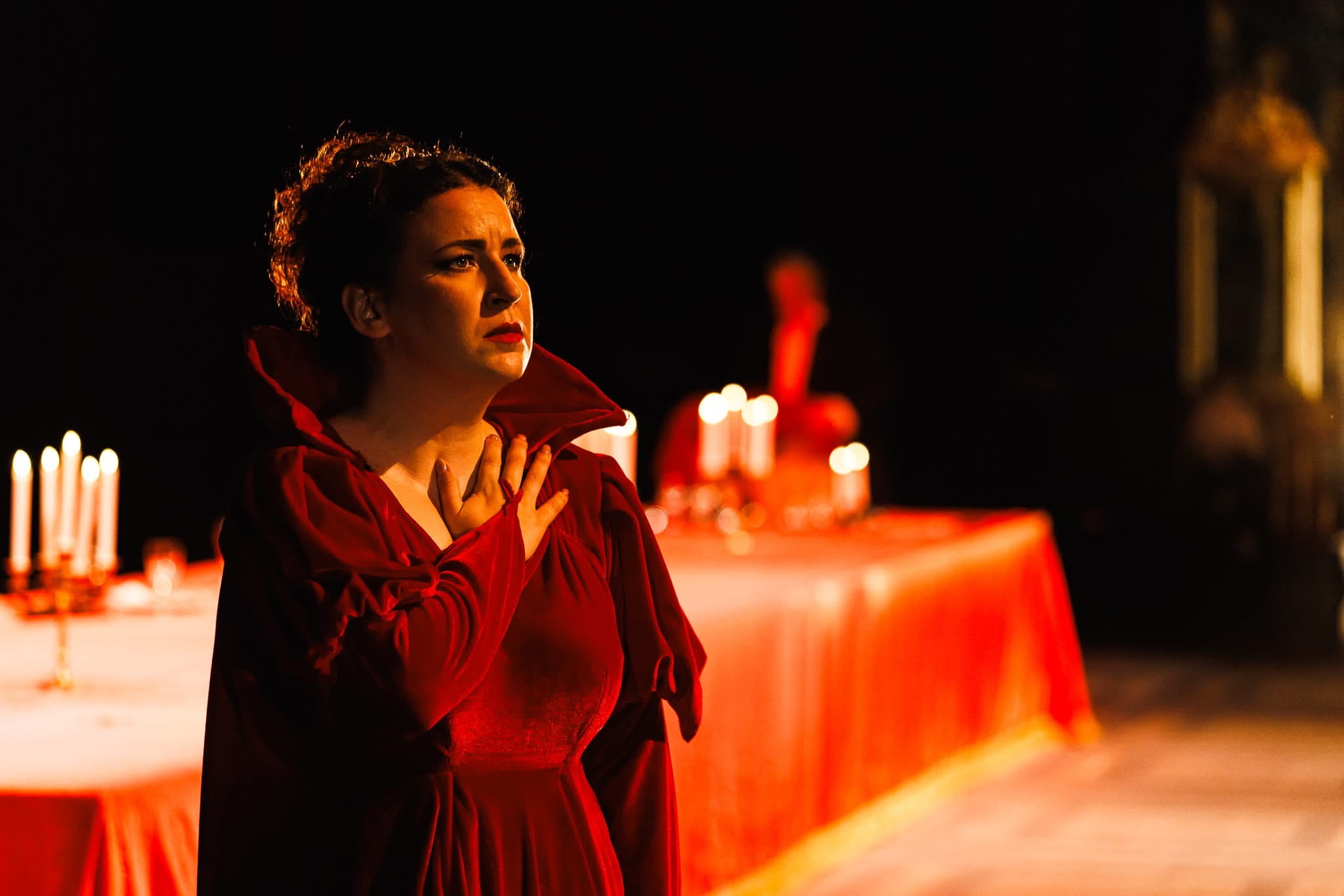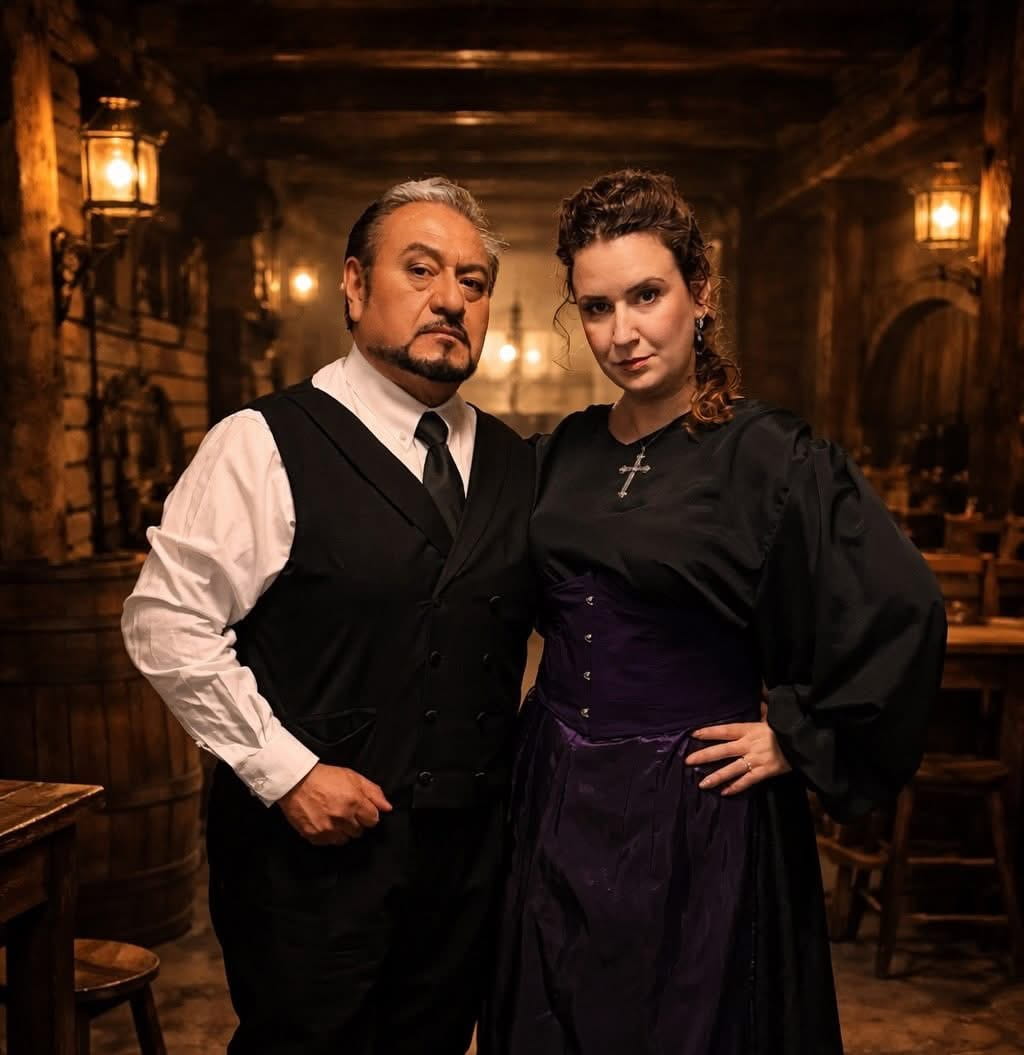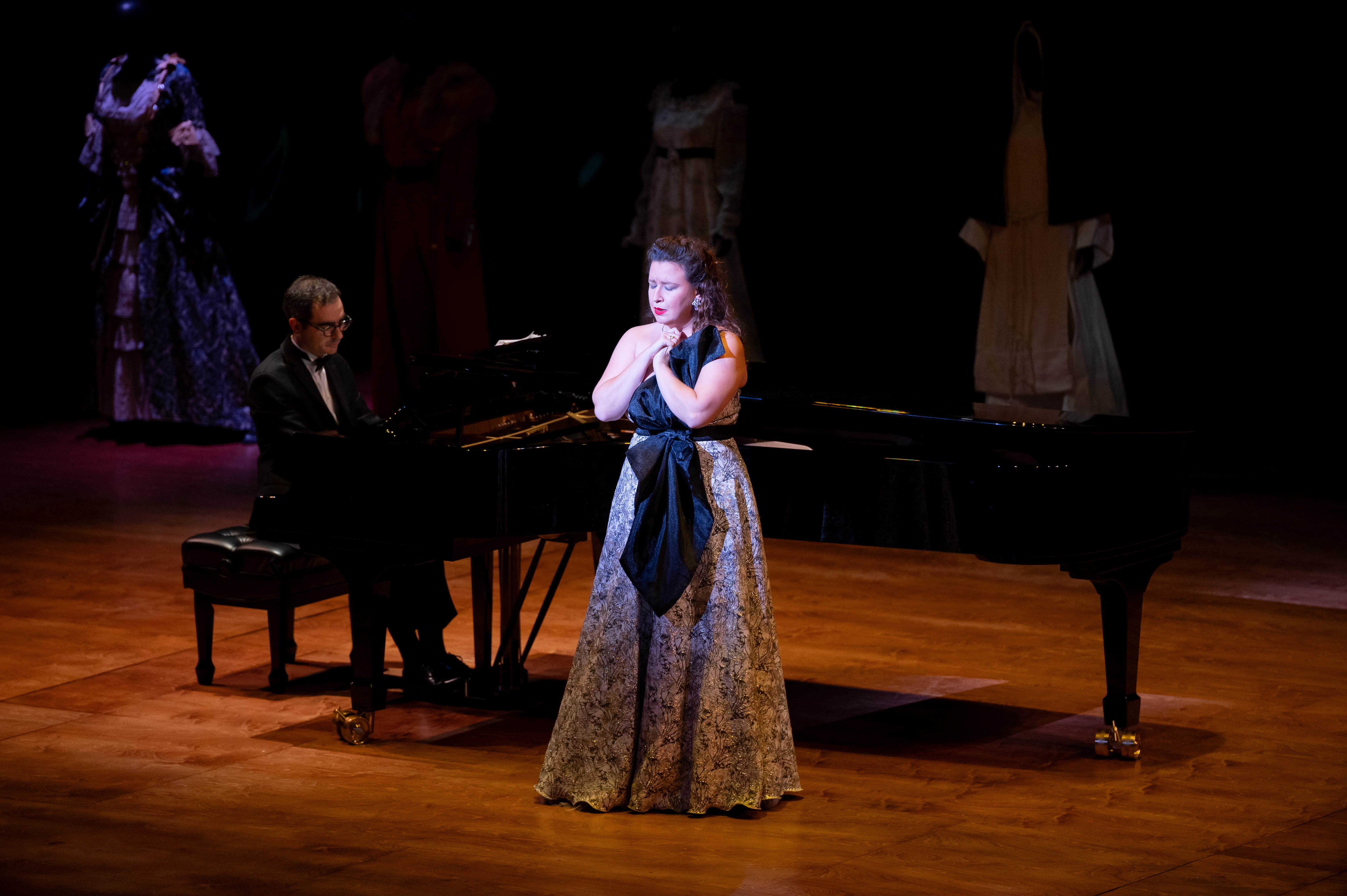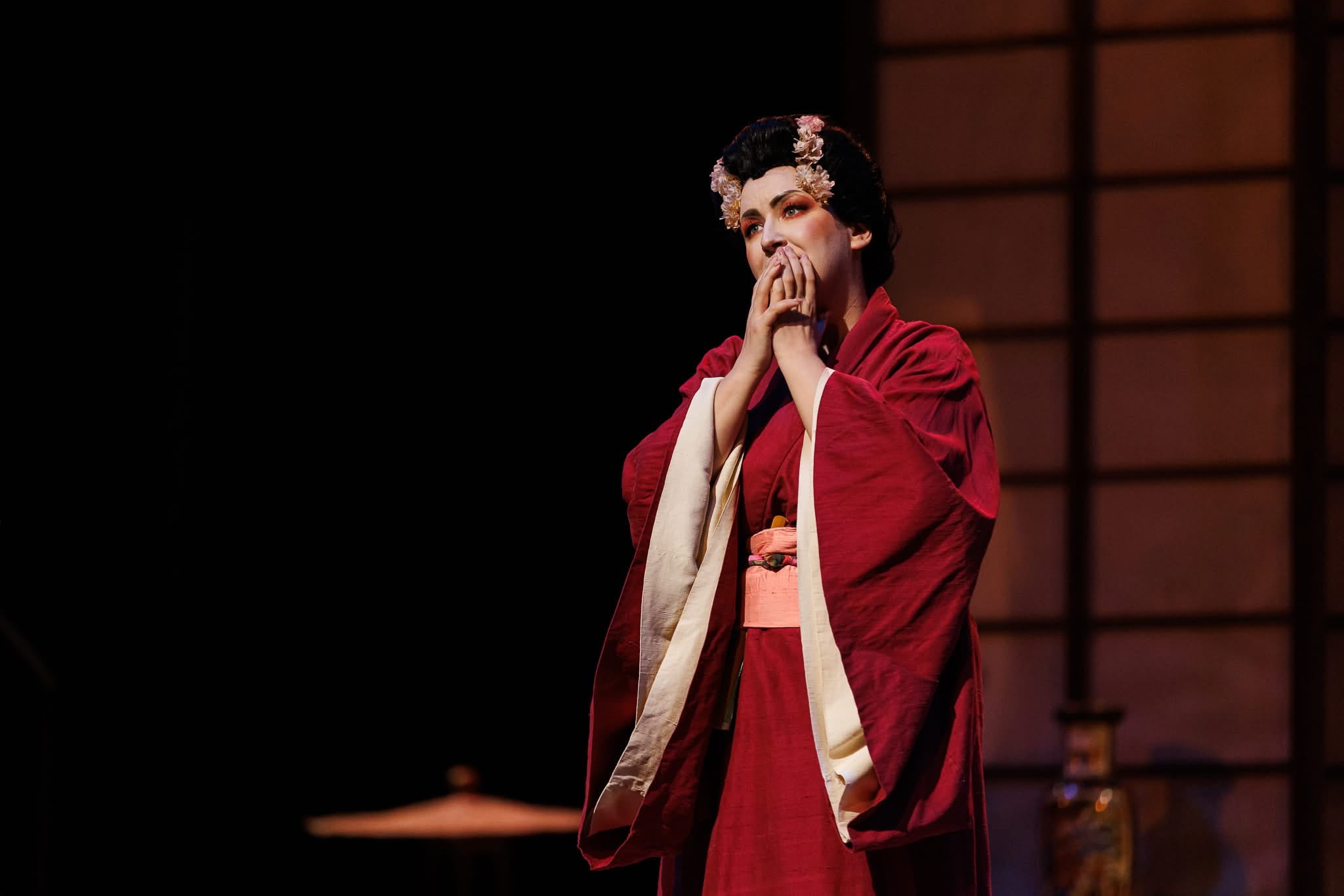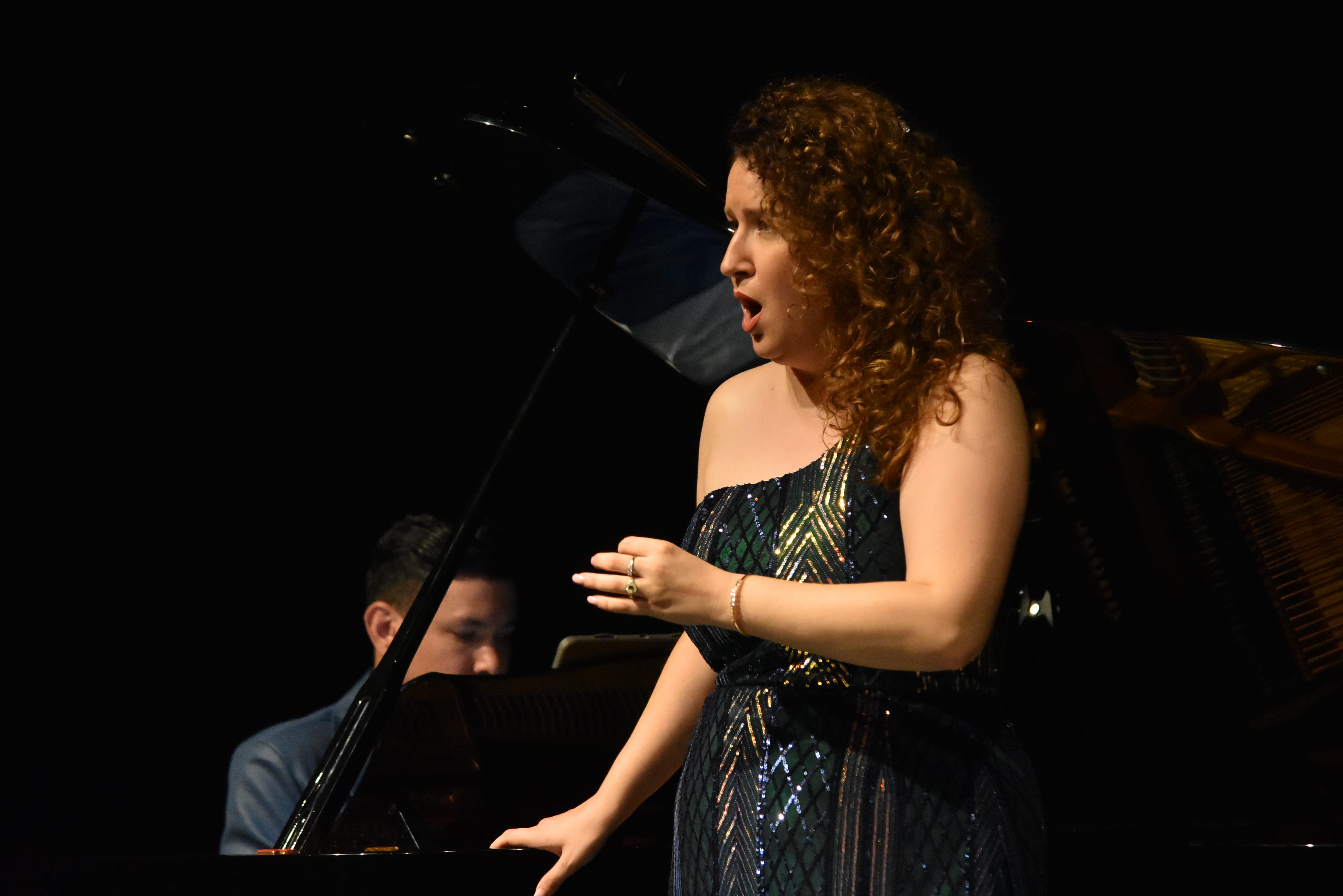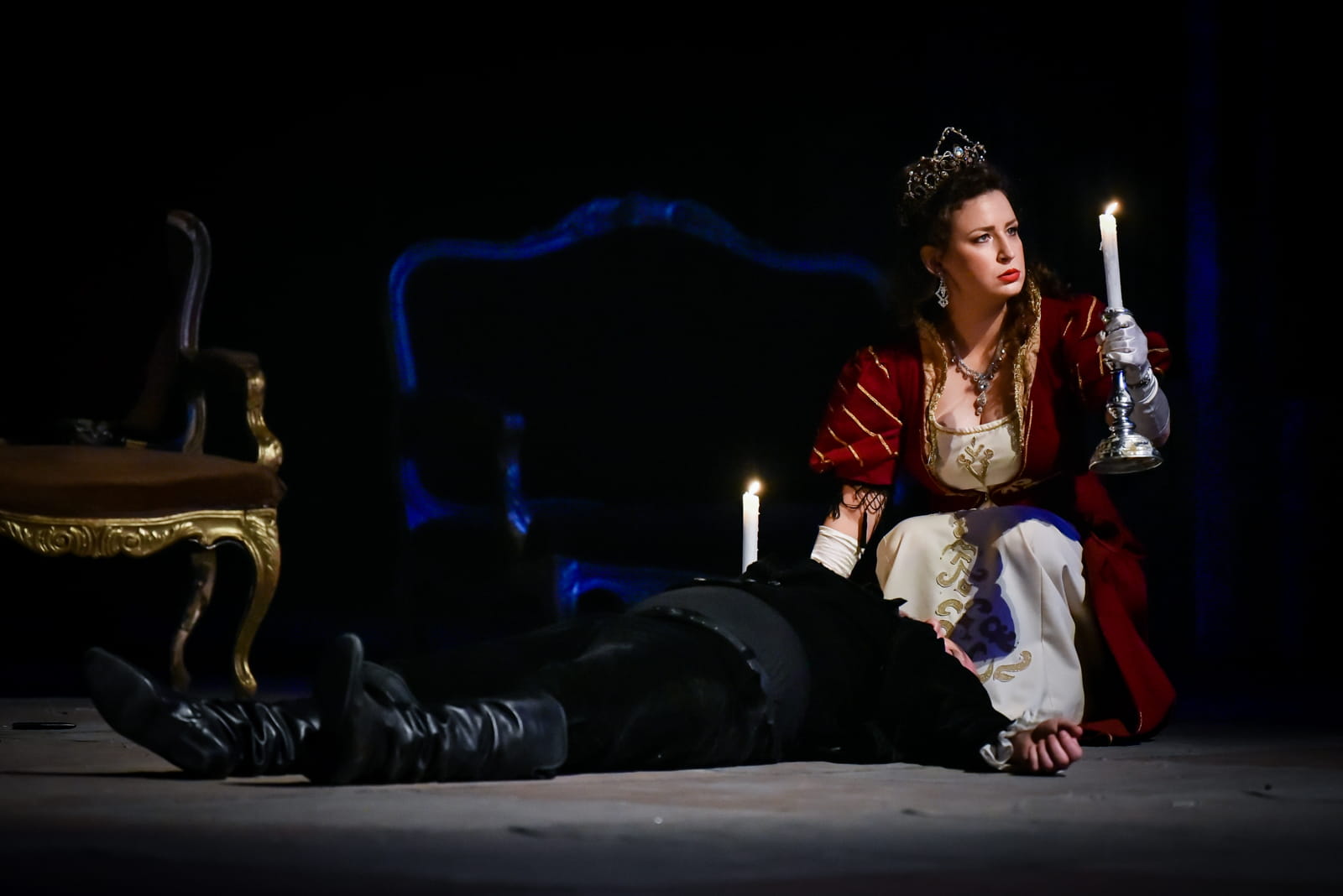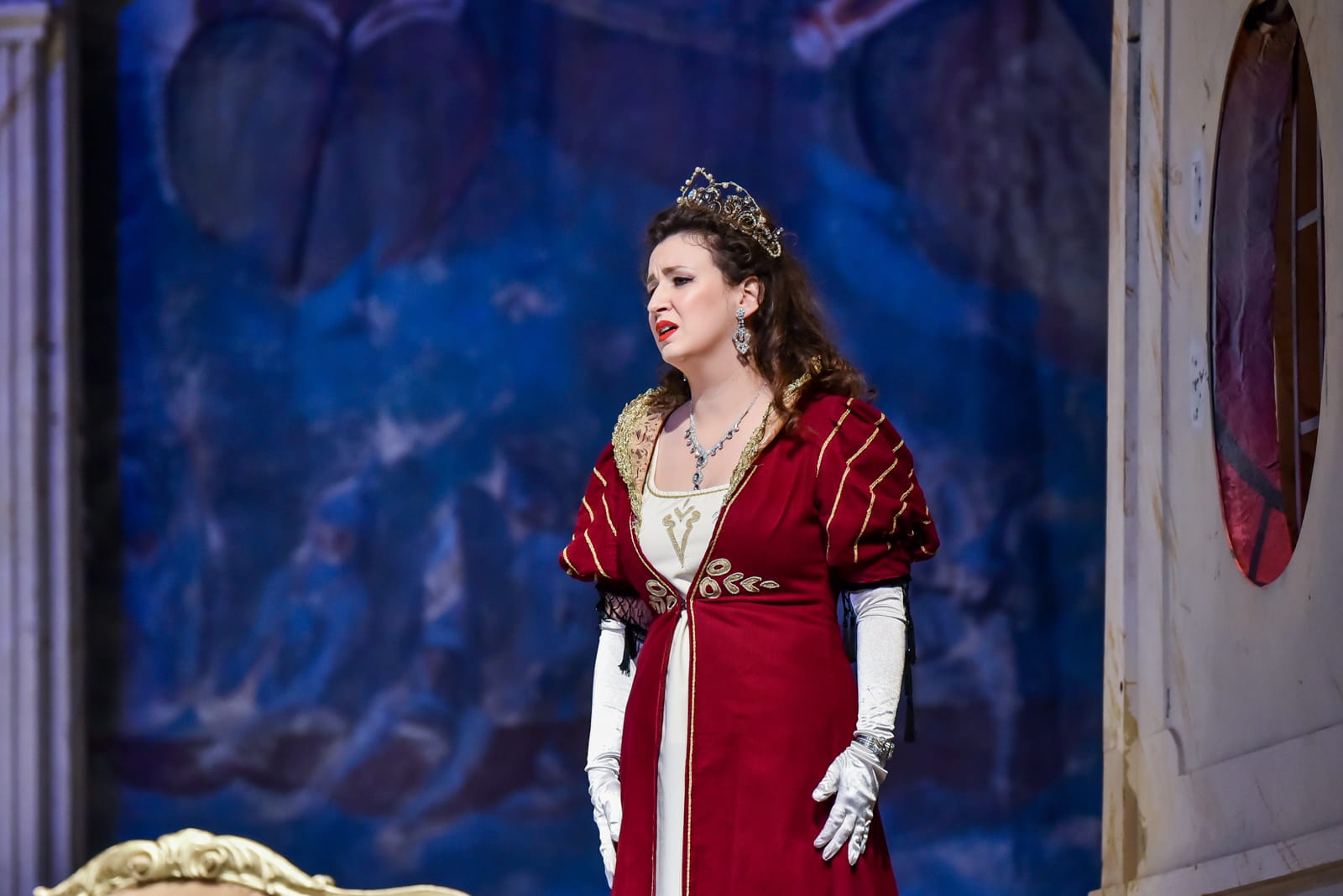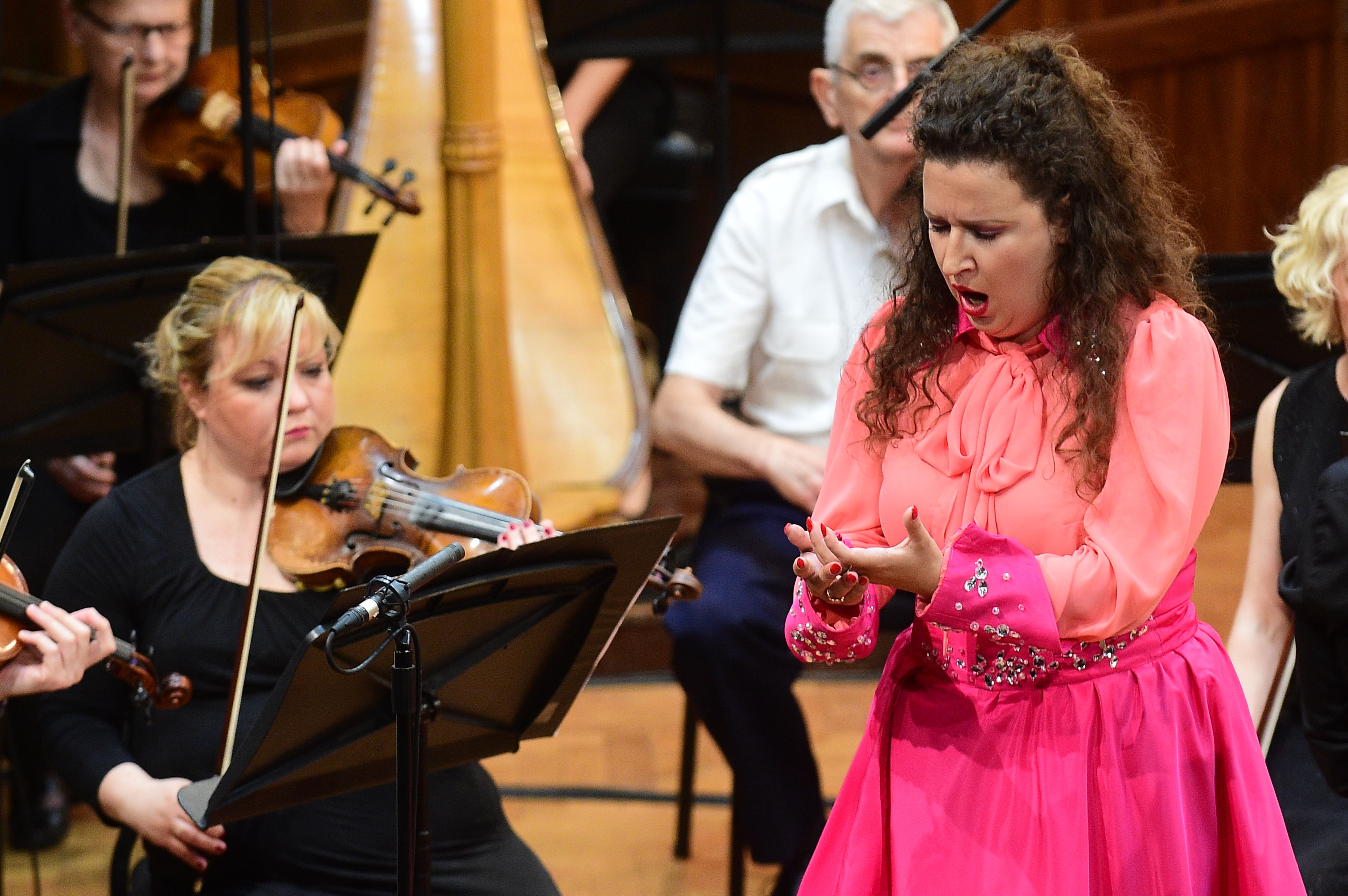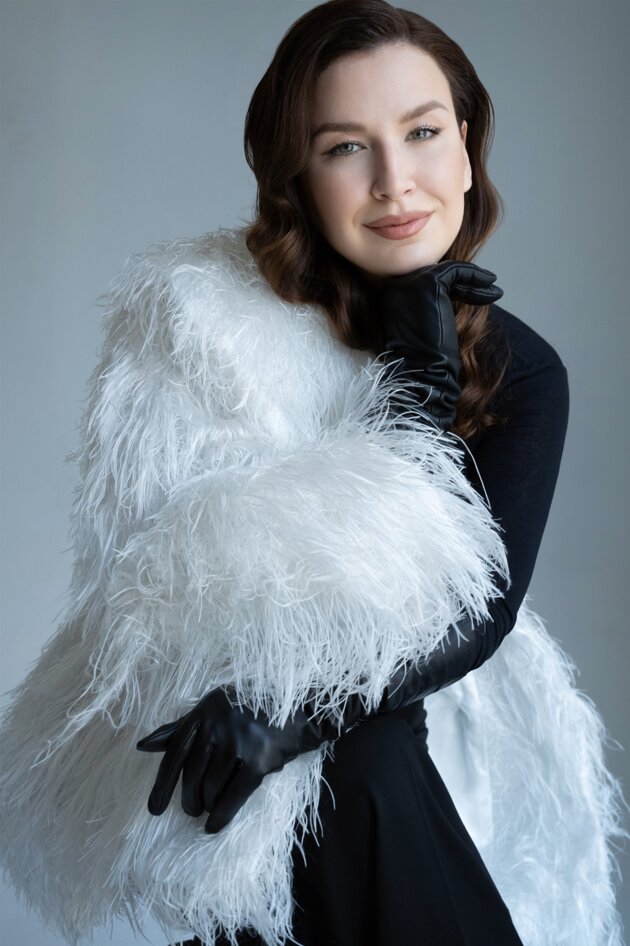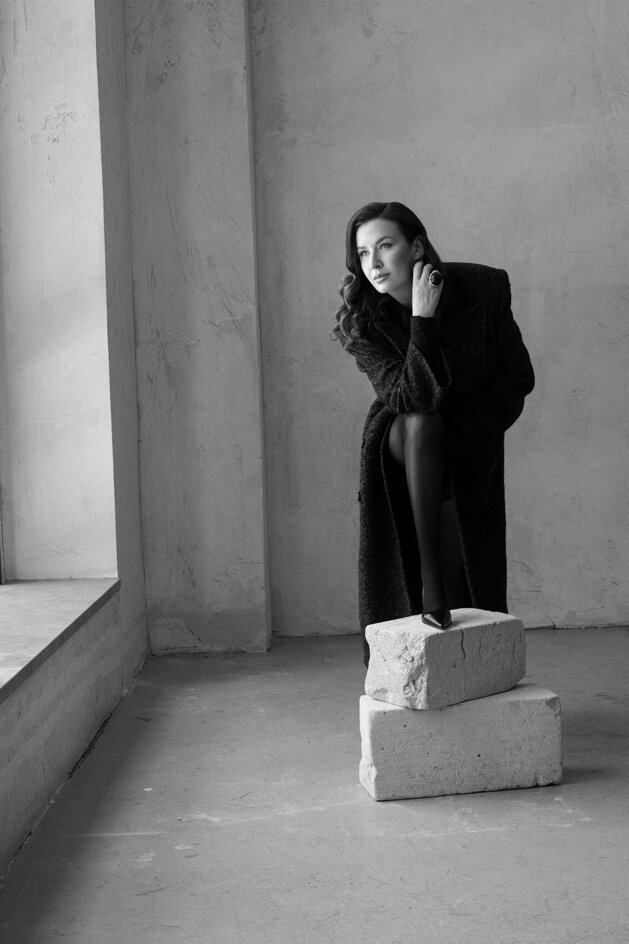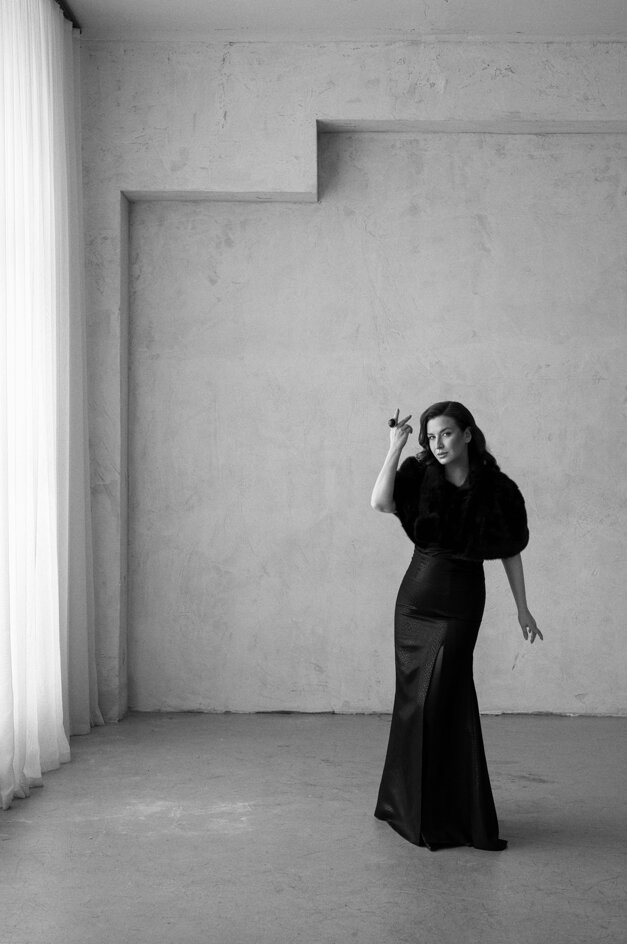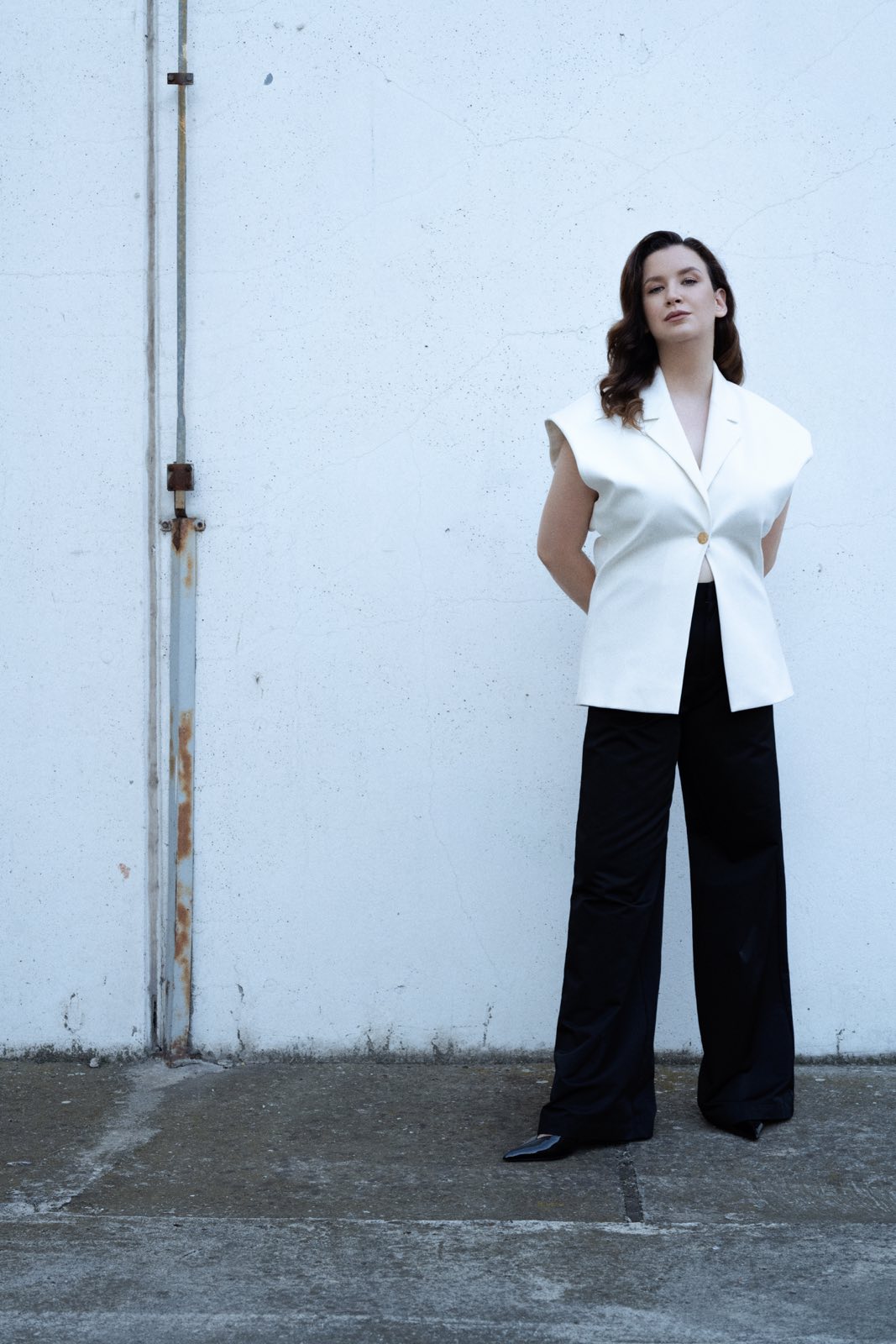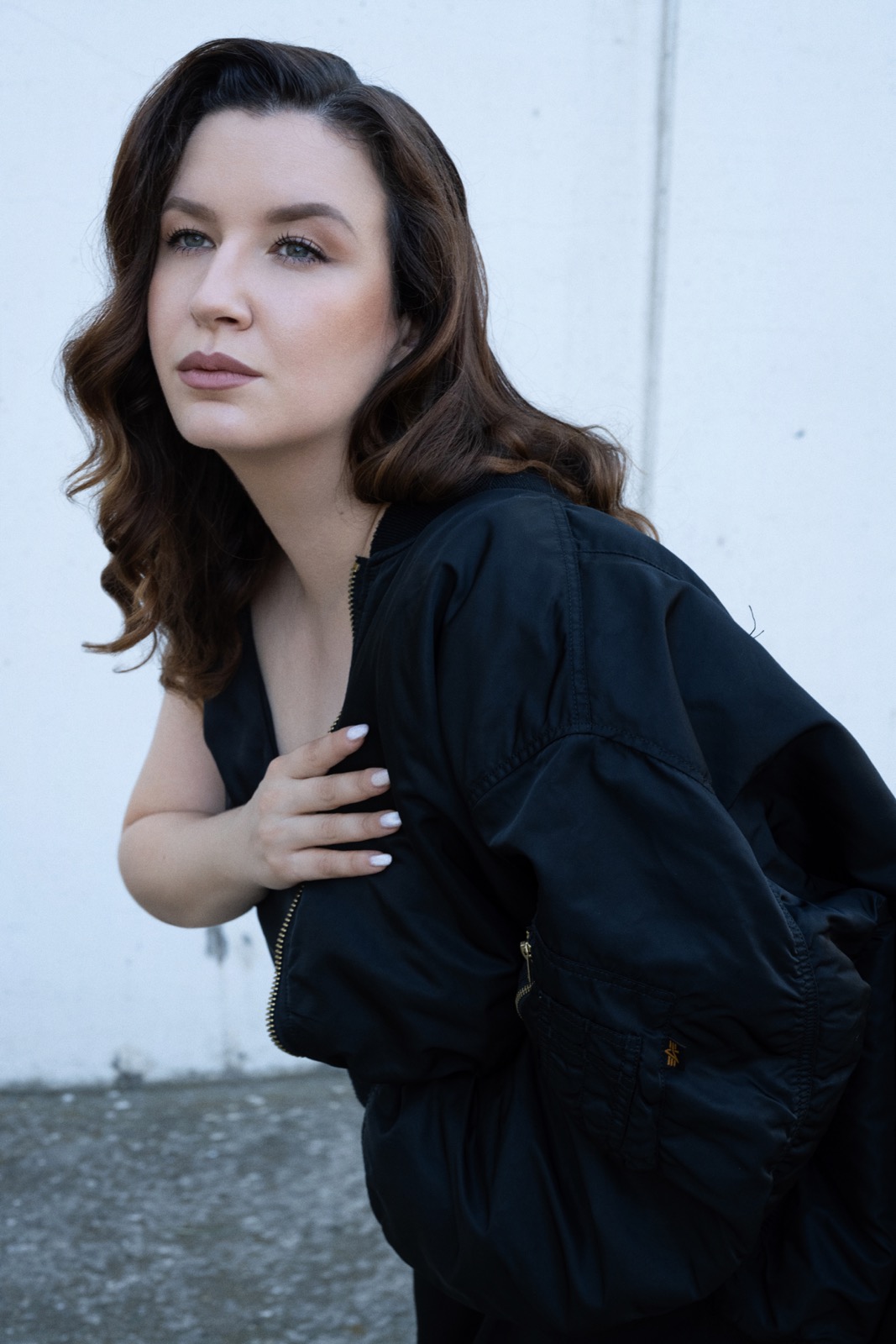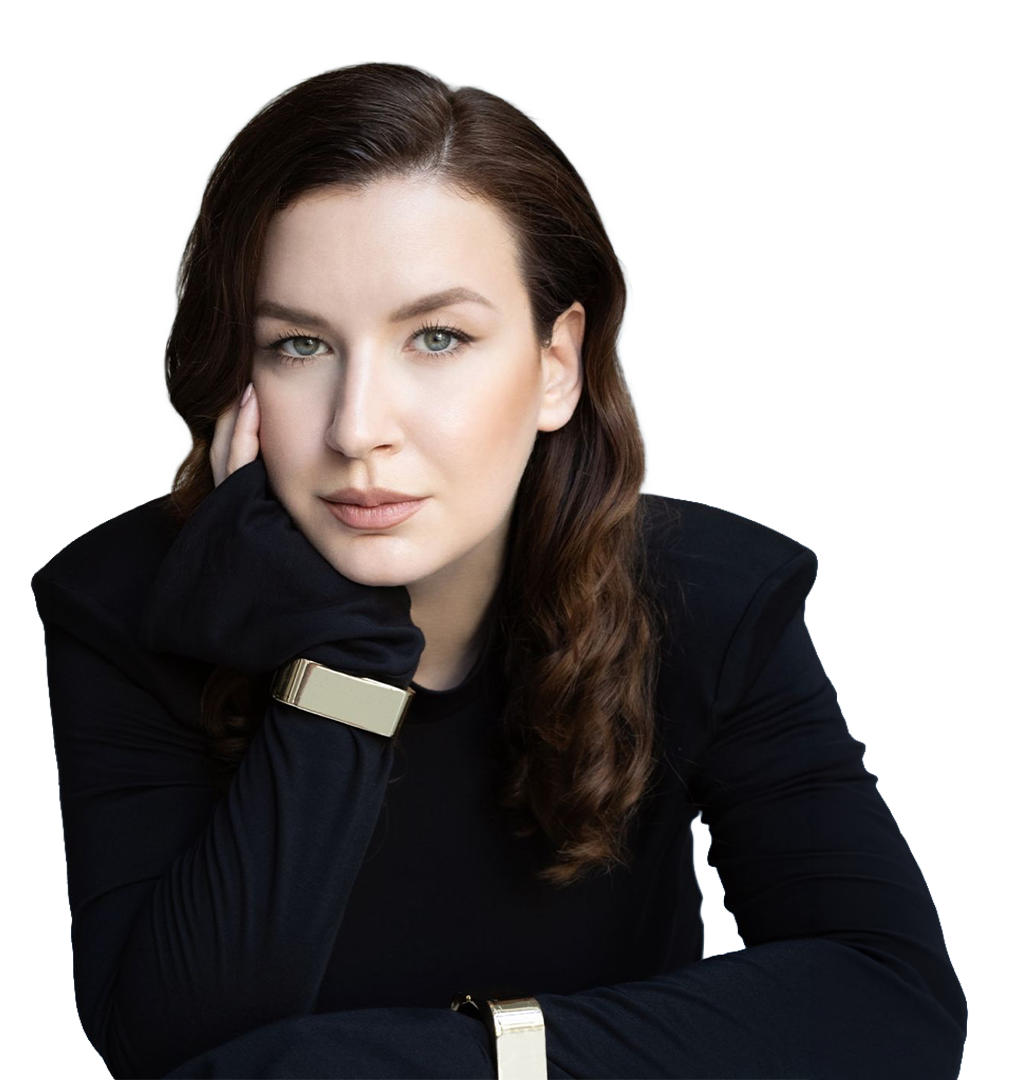
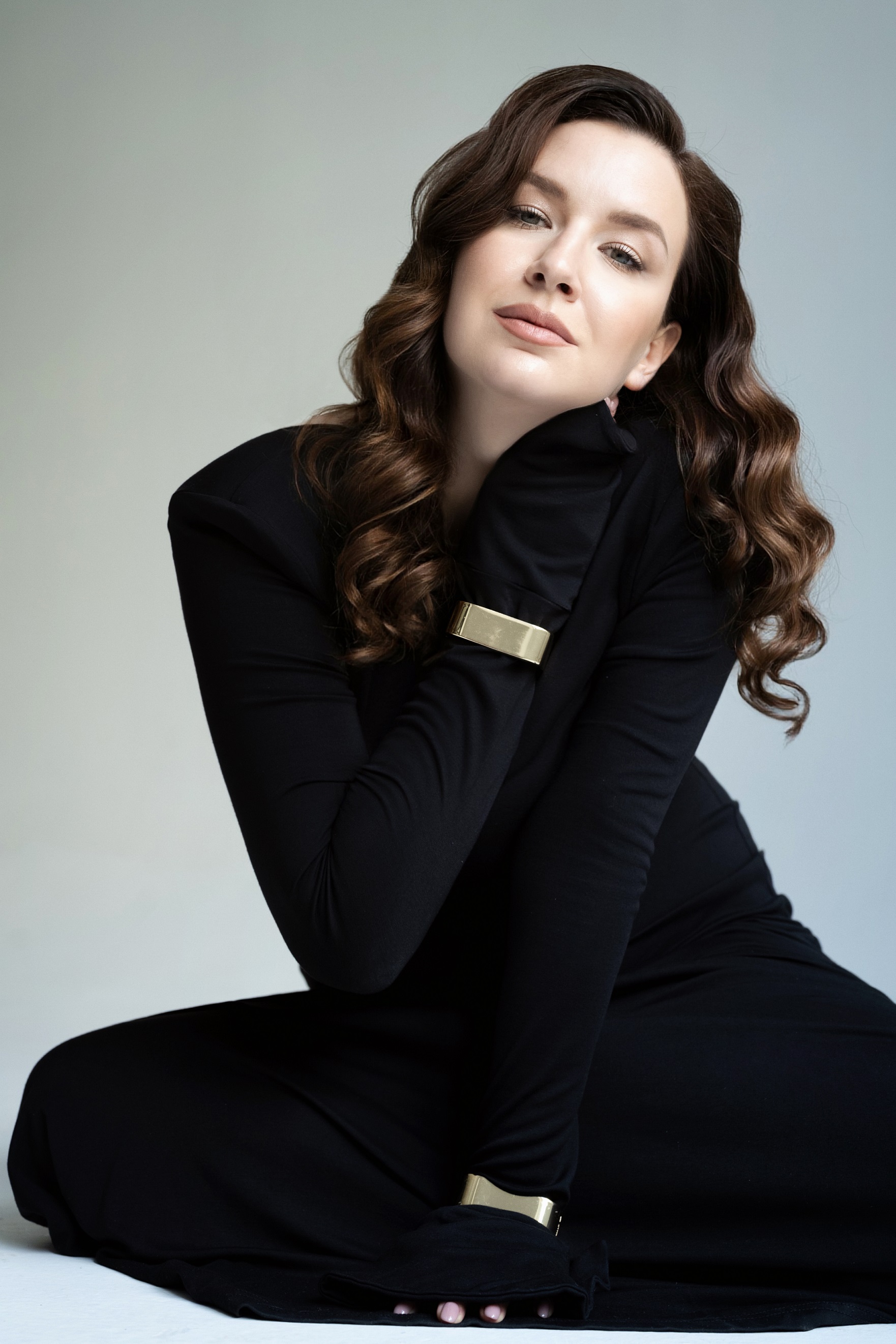
Marija Jelić is a young Serbian soprano born in Belgrade. After completing her master’s degree in music, she continued to study with Nelson Calzi, Bruna Baglioni and Fernando Cordeiro Opa. In 2017, she auditioned for the Opera studio at the Belgrade National Theater, where she began to sing smaller and intermediate parts, as well as main roles in opera productions. She played Micaëla (Carmen) and Binički’s Stanka (At Dawn) at the Belgrade National Theatre, and Mimi (La Bohème), Aida (Aida) and Tosca (Tosca) at the Serbian National Theater in Novi Sad, as well as Elizabeth (Don Carlo).
She performed at numerous concerts and opera performances in more than 25 countries including Azerbaijan, Argentina, Italy, Latvia, Estonia, Germany, Mexico, Bulgaria, North Macedonia, Greece, USA, Croatia and Slovenia.
At the Ljubljana Festival in 2021, she participated in a concert performance of Carmen with Elīna Garanča and Jonathan Tetelman, with Karel Mark Chichon as the conductor. She also performed at the Gala concert on the opening of the 60th Ohrid Summer Festival, in Belgrade with Placido Domingo and the Symphony Orchestra of the Serbian Radio and Television in 2021, and in Croatia with José Cura. In 2021, Marija held a solo concert at Carnegie Hall with pianist Anthony Manoli, and in 2022, she performed at the Ohrid Summer Festival with Britten’s Illumination cycle.
In 2023, Marija performed H. Gorecki’s Symhony No.3 with the Belgrade Philharmonic orchestra and maestro Gabriel Feltz. She performed Aida in Cairo, Mahler’s Symphony No. 4 with the Sofia Philharmonic orchestra, Aida at the National Opera in North Macedonia, Countess in Le nozze di Figaro in Opera Carolina in Charlotte (USA), Judith in Bartok’s Bluebeard castle at the Narva Opera Festival (Estonia), a gala opera concert with the Toluca Philharmonic orchestra (Mexico) and Maddalena di Coigny in Andrea Chenier in Belgrade. She was performing Mimi in La Boheme at the Seoul Lotte concert hall and with the Taipei Symphony Orchestra in 2024.
In April 2025, she sang Verdi’s “Requiem” at the Santa Maria dei Servi church in Bologna with Michele Pertusi and Fabio Armiliato, as well as in Rome with the Roma Symphony Orchestra. Her expansive 2025 and 2026 repertoire included representing Serbia at the EXPO in Osaka (Japan), debuting as Nedda in “Pagliacci” at the Heraklion Cultural Center, performing "Suor Angelica" at Opera Carolina (USA), and singing Liù in "Turandot" with Opera Varna, among numerous other international concert highlights.
She is president of the International Opera Foundation established in Belgrade (Serbia). Marija has also completed bachelor and master’s studies at the Faculty of Electrical Engineering at the University of Belgrade and is currently a PhD student at the same faculty.
Domestic and international expert music critics write about Marija Jelić with great respect, and their assessments differ drastically from what is usually written about "commercialized" performers. Critics see in her an authentic opera artist of the new generation, and in the reviews of her performances (from Belgrade and Novi Sad, through Sofia, to Italy and Taiwan), the following assessments are most often repeated:
“...a firm voice as one could gather from her aria ‘Voi lo sapete o mamma’ although it hovers between a lyrical and dramatic tessitura with more emphasis on the lyrical side. She has a voice with great potential.”
“The role of the Ethiopian slave Aida was entrusted to the Serbian soprano Marija Jelic who, with her powerful voice, showed a very respectable high register.”
“Marija Jelic, the soprano revelation for the 2025 edition of the 'Nuove voce della lirica' festival, a voice that, despite her young age, already shows not only a notable dramatic impetus in the high register... but also an excellent mastery of the filato technique, which allows her to easily soar above the large mass of Choir and Orchestra.”
“It was in Bellini that the soprano found her most congenial territory. As Norma, Jelić imbued the words with remarkable dramatic weight... sculpting the text with the declamatory intensity that Wagner himself admired in Bellini’s writing. Her control during ascents to the high register was excellent...”
“The most lyrical and human character in the production was Liù portrayed by Marija Jelić. With restrained acting expression and a precisely shaped vocal line, the singer conveyed the heroine’s tenderness, devotion, and self-sacrifice, without turning her tragedy into external pathos.”
“Marija Jelic doesn’t follow the future. She sings it into being.”
Performed
Performed
Performed
Performed
Performed
Performed
Performed
Performed
Performed
Performed
Performed
Performed
In preparation
In preparation
In preparation
Performed
Performed
Performed
Performed
Performed
Performed